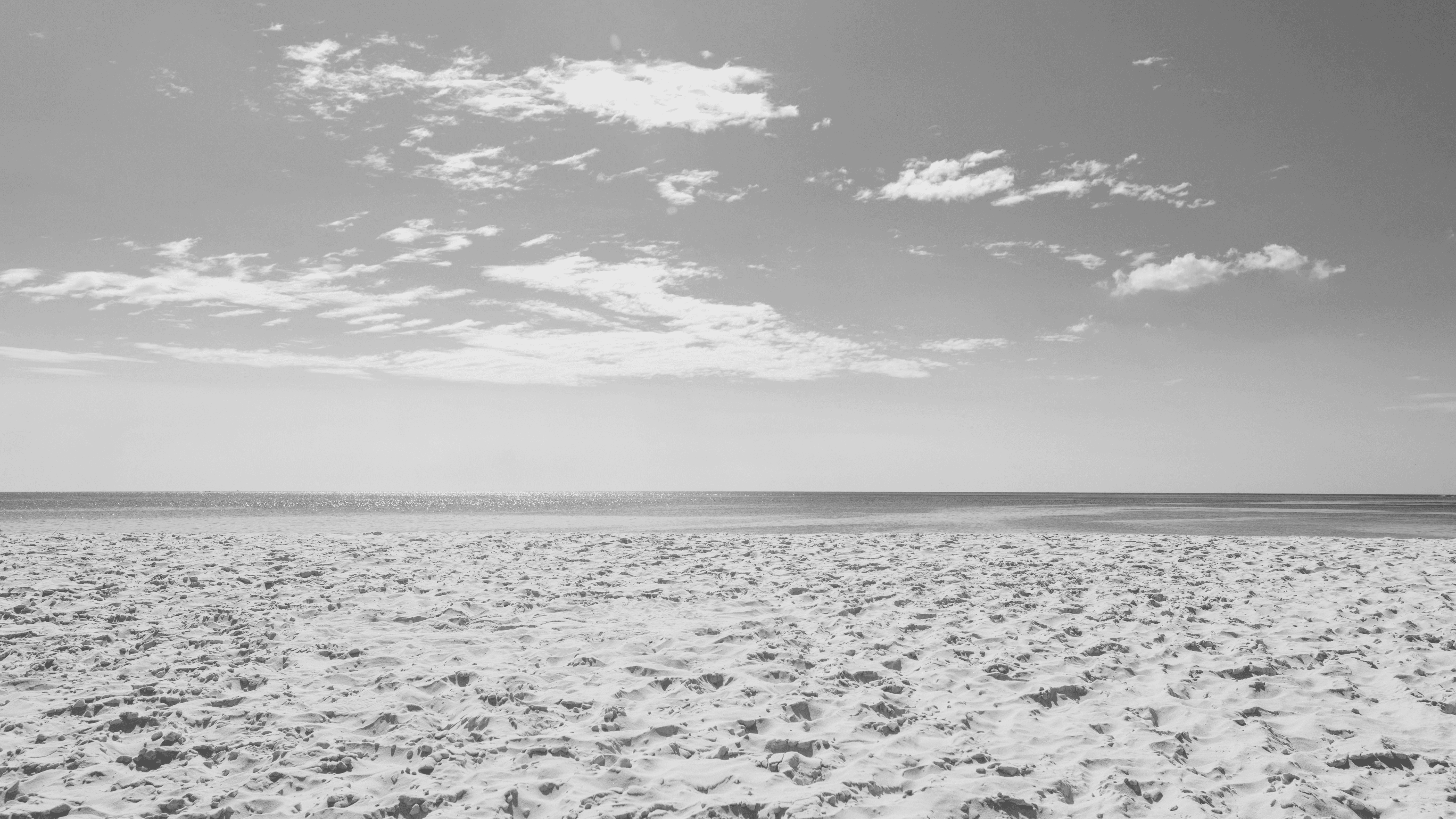
Beyond the Destination
When planning a summer getaway, travelers often focus on the destination itself, the sea, the weather, the activities, or the promise of relaxation. Yet, what often transforms a good vacation into a memorable one is not merely where people go, but how they experience the place. This is where design becomes a silent contributor to the summer experience. The architecture, landscape, circulation, views, materials, and public spaces within a resort collectively shape how visitors feel, move, interact, and ultimately remember their stay. Long before a guest enters the water or watches the sunset, design has already begun influencing their perception of the destination. Design does not simply accommodate a summer experience; it actively creates it.
The First Impression
The arrival sequence of a resort establishes the guest's first emotional connection with the destination. A thoughtfully designed entrance, framed views, shaded pathways, and welcoming public spaces create anticipation and excitement.The transition from the outside world into a vacation environment should feel intentional. Successful resort design gradually disconnects visitors from the pace of everyday life and introduces them to a new rhythm centered around comfort, leisure, and discovery. In many cases, this transition determines how the entire destination will be perceived.
Designing for Connection with Nature
One of the defining characteristics of summer destinations is their relationship with the natural environment. Whether overlooking the sea, a lagoon, a golf course, or a mountain landscape, design plays a critical role in strengthening this connection. Orientation, building placement, open spaces, and visual corridors can either celebrate the surrounding environment or diminish its impact. The most successful resorts allow nature to become part of the architecture rather than simply serving as its backdrop. Expansive views, shaded terraces, outdoor living areas, and seamless transitions between indoor and outdoor spaces encourage guests to engage with their surroundings. These design decisions amplify the very qualities visitors travel to experience.
Creating Experiences Through Movement
A resort is not experienced from a single location. Guests continuously move between accommodation, beaches, pools, restaurants, retail areas, and recreational facilities. As a result, circulation becomes a key component of the overall experience. Well-designed pathways do more than provide access. They create moments of discovery. A winding promenade may reveal a hidden plaza. A landscaped walkway may frame a view of the coastline. A shaded route can transform a simple walk into a comfortable and enjoyable journey. Designing movement is ultimately about designing experiences.
Comfort as a Design Strategy
In hot climates, comfort is not a luxury, it is a necessity. Design decisions related to orientation, shading, ventilation, landscape, and material selection directly affect how people experience outdoor environments during the summer months. A shaded pedestrian route may encourage exploration. A properly oriented terrace can enhance usability throughout the day. Strategic landscaping can significantly improve thermal comfort while contributing to the visual character of the destination. When comfort is integrated into the design process, guests spend more time outdoors, engage more deeply with their surroundings, and derive greater value from their experience.
Conclusion
Summer resorts are often evaluated through their amenities, services, and attractions. Yet behind every memorable destination lies a design strategy that shapes the entire experience. From arrival to departure, from private retreats to social spaces, design influences how people perceive, interact with, and remember a place. In this sense, design is not merely part of the summer experience. It is one of its most powerful architects.