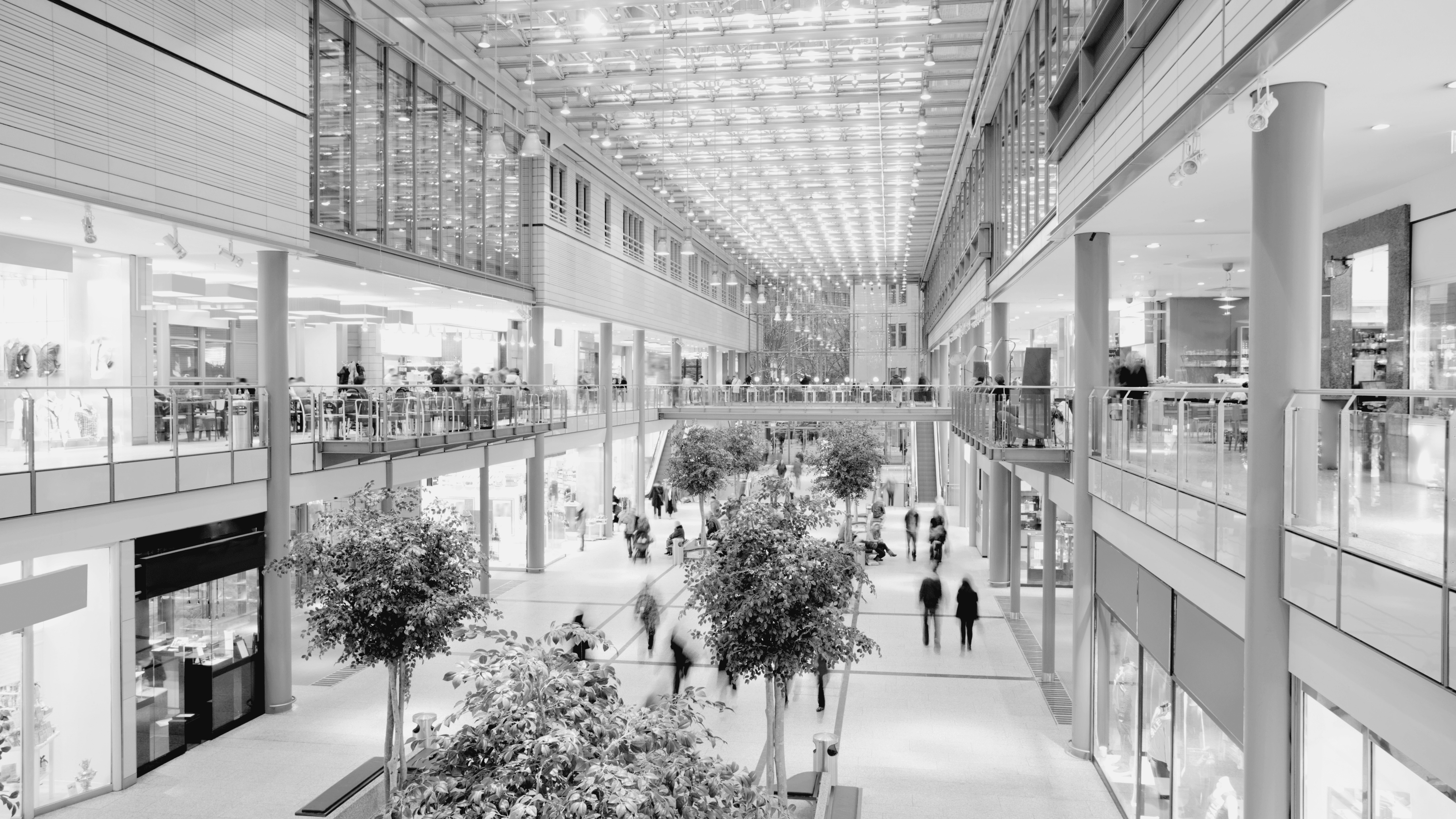
Design as a consumption influence
The design of spaces plays a significant role in influencing consumer behavior and shaping consumption habits. Whether in retail stores, restaurants, malls or commercial environments, spatial design affects how people move, interact and make purchasing decisions. Every detail within a space, from lighting and circulation to materials and layout, contributes to the overall consumer experience and impacts emotional and psychological responses.
How Spatial Design Influences Consumer Behavior
Consumers interact with spaces before they interact with products. The arrangement of pathways, furniture, lighting and visual focal points guides movement and directs attention toward specific areas. Open layouts may encourage exploration and longer visits, while strategically designed circulation paths can increase exposure to products and services.
Design engineering creates environments that feel comfortable, intuitive and emotionally engaging. Consumers are more likely to spend time and money in spaces that feel welcoming and visually balanced.
The Psychology Behind Consumer Movement
Spatial organization directly affects how consumers behave within commercial environments. Wide walkways, natural lighting and organized layouts reduce stress and create smoother experiences. In contrast, overcrowded or poorly planned spaces often create discomfort and shorten consumer engagement.
Retail and hospitality environments are often engineered to influence behavior subconsciously. Product placement, seating arrangements and visual hierarchy are carefully designed to guide attention and encourage purchasing decisions. The longer consumers remain comfortable within a space, the more likely they are to engage with products and make impulsive purchases.
Emotional Influence of Designed Spaces
Spaces have the ability to create emotional responses that shape consumer habits over time. Warm lighting and natural materials often create feelings of relaxation and trust, while modern minimal spaces may communicate luxury and exclusivity. These emotional associations strengthen the connection between consumers and brands.
The sensory experience of a space, including acoustics, textures, scents and lighting, also contributes to consumer perception. A well-designed environment transforms consumption from a functional activity into an immersive experience.
Design Engineering in Modern Consumer Spaces
Modern commercial spaces increasingly focus on experience-driven design. Consumers today seek environments that are visually engaging, comfortable and socially interactive. As a result, designers and architects are integrating human-centered approaches into the engineering of retail and public spaces.
Flexible layouts, sustainable materials and interactive environments are becoming essential elements in shaping modern consumption patterns. Spaces are no longer designed only for functionality, but also for emotional engagement and brand identity.
Conclusion
The design of spaces has a direct influence on consumer consumption habits and behavioral patterns. Through strategic planning, emotional design and human-centered experiences, spaces shape how consumers interact, engage and consume. Successful spatial design is not only about aesthetics or functionality, but about creating environments that influence emotions, encourage interaction and build meaningful experiences for consumers.